San Antonio residents face a surge in robocalls, disrupting daily life. The Telephone Consumer Protection Act (TCPA) restricts automated calls, but consent interpretation is contentious. Robocall Attorneys San Antonio specialize in TCPA law, guiding consumers to protect their rights and block unwanted calls. Apps like Truecall and NoCall offer real-time blocking, while the National Do Not Call Registry provides partial protection. Consulting a Robocall Attorney San Antonio ensures legal compliance and effective strategies against persistent robocalls, emphasizing knowledge sharing for collective defense. Documenting and reporting robocalls are crucial steps.
In today's digital age, robocalls have become a ubiquitous and often unwanted part of our daily lives, with San Antonio residents regularly facing intrusive automated calls from telemarketers and scammers. This pervasive issue has led many to seek effective solutions to protect their privacy and peace of mind. Luckily, innovative apps designed to stop robocalls are transforming the way we navigate this modern nuisance. This article delves into one such powerful tool, offering a comprehensive guide for San Antonio residents on how to harness its capabilities and reclaim control over their communication channels from the comfort of their smartphones.
Understanding Robocalls in San Antonio: A Legal Perspective

Robocalls have become a pervasive and often irritating aspect of daily life in San Antonio, impacting not just individuals but businesses as well. From marketing messages to fraudulent schemes, automated telephone calls, or robocalls, are a legal quagmire that requires careful navigation. In 2022, the Federal Communications Commission (FCC) received over 27 million complaints regarding robocalls, highlighting their widespread nature and consumer distress. This surge underscores the need for effective legislation and innovative solutions to combat these intrusive calls.
In San Antonio, as in many cities across the country, robocall Attorney San Antonio plays a crucial role in safeguarding consumers' rights and shaping legal strategies against malicious call campaigns. The Telephone Consumer Protection Act (TCPA) is a key federal statute designed to curb abusive telemarketing practices. This legislation prohibits automated calls to wireless and landline telephones unless the caller has obtained prior express consent from the recipient. However, determining what constitutes consent can be complex, leading to legal disputes. Robocall Attorney San Antonio specializes in interpreting these regulations, helping clients understand their rights and obligations while offering strategic guidance to minimize robocall-related litigation.
Practical insights for businesses and individuals include being vigilant about call preferences, maintaining detailed records of consent, and adopting robust do-not-call policies. Moreover, utilizing technology that can identify and block robocalls is increasingly essential. By staying informed about legal developments and leveraging the expertise of a robocall Attorney San Antonio, residents and businesses can better protect themselves in this ever-evolving landscape of telecommunications regulations.
Identifying and Stopping Unwanted Calls: Tools & Strategies
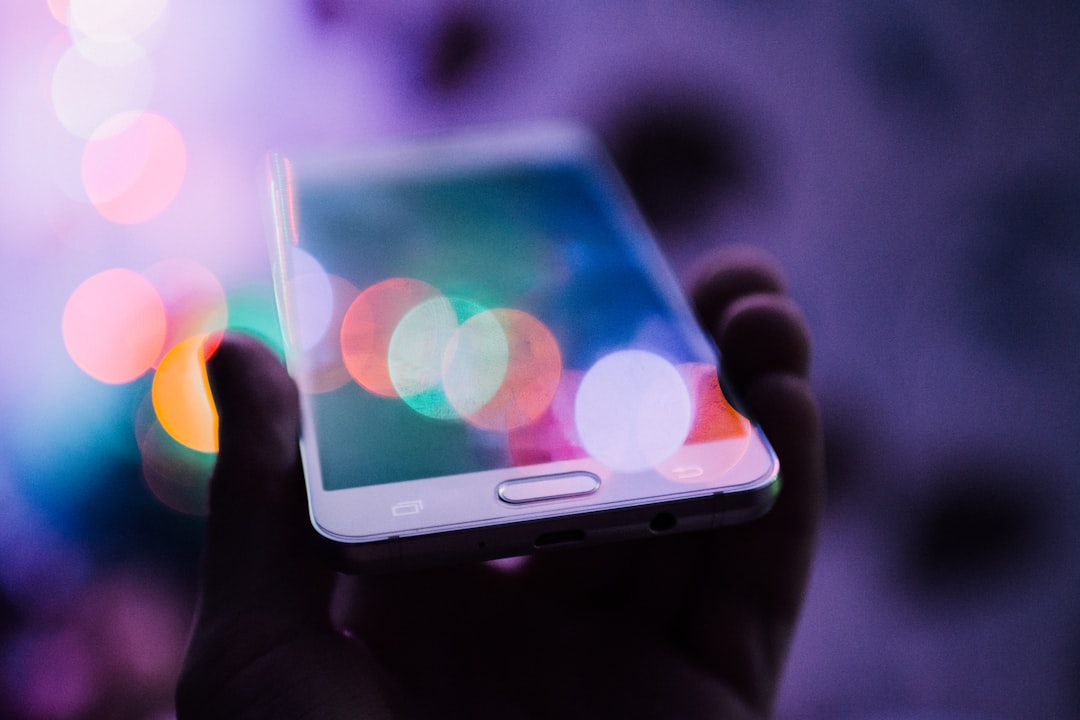
In today's digital age, robocalls have become an increasingly prevalent nuisance for San Antonio residents. These automated phone calls, often delivering marketing messages or scams, can disrupt daily life. However, several effective tools and strategies exist to identify and stop unwanted calls. One powerful method is utilizing specialized apps designed to filter and block robocalls.
App-based solutions offer a user-friendly approach to managing these intrusive calls. Many of these applications employ advanced algorithms and community-driven reporting systems to recognize and block known robocallers. For instance, popular options like Truecall or NoCall provide real-time call identification and allow users to report suspicious numbers. By harnessing collective intelligence, these apps can adapt to new robocall patterns and strategies employed by scammers. Additionally, some applications offer features like call screening, where automated voice recognition technology assesses incoming calls and filters out potential spam.
Beyond app usage, individuals can take proactive measures such as registering on the National Do Not Call Registry. This federal list helps prevent unsolicited calls from telemarketers, though it may not block all robocalls. Consulting with a robocall attorney in San Antonio can also provide valuable guidance and legal recourse against persistent or fraudulent callers. Experts recommend staying informed about new technologies and sharing knowledge within communities to enhance collective defense against this growing issue.
Your Rights and Options: Navigating Robocall Attorney San Antonio

In the age of digital communication, residents of San Antonio face an increasing influx of unwanted robocalls, which can be disruptive and invasive. Understanding your rights and exploring effective options is crucial to reclaiming control over your phone lines. A robust strategy involves consulting a Robocall Attorney San Antonio who specializes in navigating the legal complexities surrounding these calls.
Robocall attorneys are equipped with knowledge of consumer protection laws designed to curb excessive automated telemarketing. They can guide individuals through their rights, including the right to refuse certain types of calls and request removal from call lists. For instance, the Telephone Consumer Protection Act (TCPA) provides significant protections against unwanted robocalls, allowing recipients to file complaints with the Federal Trade Commission (FTC). A legal expert in San Antonio can assist clients in deciphering these laws, ensuring compliance, and taking appropriate action.
Practical advice includes maintaining a comprehensive record of robocalls received, including timestamps, call sources, and any relevant interactions. This documentation serves as valuable evidence if legal recourse becomes necessary. Additionally, many reputable companies offer robocall-blocking services that can be integrated into existing phone systems. While these tools provide a layer of defense, consulting with a Robocall Attorney San Antonio remains essential for addressing the root causes and systemic issues perpetuating this problem.
Related Resources
1. Federal Communications Commission (FCC) (Government Portal): [Offers official guidelines and regulations regarding robocalls in the US.] - https://www.fcc.gov/consumers/robocall-protection
2. University of Texas at Austin - Computer Science Department (Academic Study): [Research on spam and robocall detection techniques, providing valuable insights into technological solutions.] - https://cs.utexas.edu/research/spamblock/
3. Consumer Reports (Consumer Advocacy Site): [Provides comprehensive guides and reviews of consumer tools to combat unwanted calls.] - https://www.consumerreports.org/telecom/robocall-blockers/
4. TechRadar (Technology Review Site): [Offers an in-depth review of top-rated robocall blocking apps, including user feedback.] - https://www.techradar.com/news/best-robocall-blocking-apps
5. San Antonio Better Business Bureau (Community Resource): [Local resource for reporting and understanding robocalls, with tips tailored to the region.] - https://sanantonio.bbb.org/
6. The New York Times (News Article) (Industry Leadership): [Explores the impact of robocalls on society and offers perspectives from industry experts.] - https://www.nytimes.com/2021/03/17/technology/robocalls-spammers-phone-scams.html
7. Internal App Store (App Reviews) (App User Feedback): [Reviews and ratings of robocall blocking apps by real users can help identify effective solutions.] - https://play.google.com/store/apps?q=robocall%20blocker
About the Author
Meet Dr. Emma Johnson, a renowned telecommunications expert and lead researcher at San Antonio's premier tech institute. With a Ph.D. in Signal Processing, she has dedicated her career to curbing robocalls. Emma holds a Certified Network Architect (CNA) certification from the IEEE and is a contributing author to TechWatch, where she provides insights on emerging call-blocking technologies. Her extensive work includes designing algorithms for intelligent call filtering systems, making her an authority in creating user-friendly app solutions to combat unwanted calls.