
Robocalls are a significant issue in Texas, prompting strict regulations by the state through its Spam Call law firm San Antonio. Texans can protect themselves by registering on the Do Not Call list and reporting suspicious calls. Specialized apps using machine learning algorithms block spam with up to 95% success rates. The Texas Attorney General enforces laws like the Telephone Consumer Protection Act (TCPA), offering substantial fines for violations. Spam Call law firm San Antonio provides advanced spam blocking, legal guidance, and collaboration with tech developers to combat robocalls effectively. Personalized call filtering combines technology and legal protections, safeguarding privacy and time. A robust network of community resources educates residents and offers tools to identify and report suspicious calls.
In the digital age, unwanted robocalls have become a pervasive nuisance, impacting millions across Texas and beyond. With the implementation of the Spam Call law firm San Antonio, there’s a growing need for effective solutions to combat this rising issue. These automated calls, often carrying marketing messages or fraudulent intent, disrupt daily life and pose significant challenges. This article delves into exploring an innovative approach—a specialized app designed to stop robocalls in their tracks, offering Texans a much-needed respite from this modern-day frustration.
Understanding Robocalls and Texas Law

Robocalls have become a ubiquitous yet unwelcome aspect of modern communication, particularly within the densely populated areas of Texas. These automated phone calls, often promoting products or services, can be a significant nuisance for residents across the state. However, Texas has taken steps to mitigate this issue through its Spam Call law firm San Antonio, offering protections and guidelines that residents should be aware of.
In Texas, robocalls are regulated by the Texas Business and Commerce Code, which includes specific provisions related to automated telephone marketing. The law prohibits telemarketers from making automated calls to Texas residents without their prior explicit consent. This means that businesses must obtain your permission—either verbally or in writing—before engaging in automated calling for commercial purposes. Furthermore, the law provides Texans with the right to block unwanted calls by registering their phone number on the state’s Do Not Call list.
The implications of these regulations are significant. For instance, a Spam Call law firm San Antonio-based attorney can help residents understand their rights and take legal action against persistent or deceptive robocallers. When a company violates Texas’ Spam Call laws, individuals may file complaints with the state’s Attorney General’s Office or even pursue legal recourse for damages, such as court orders to cease and desist, monetary penalties, and compensatory damages. By enforcing these laws, Texas aims to create a more peaceful and less intrusive communication environment for its residents.
Identifying and Stopping Unwanted Calls

In the Texas region, identifying and stopping unwanted robocalls has become a top priority for residents and businesses alike, given the prevalence of intrusive spam calls. The rise of automated calling technologies has led to a surge in illegal robocalls, which not only disrupt daily life but also pose significant risks to consumer privacy and security. To combat this growing issue, many are turning to innovative solutions, including specialized apps designed to mitigate unwanted calls.
One effective approach involves utilizing app technology that leverages advanced algorithms to recognize and block spam calls. These apps employ machine learning models to analyze calling patterns, identifying potential robocalls based on factors such as call frequency, unusual numbers, and known spam call sources. For instance, a leading Texas-based app has achieved remarkable success by blocking over 95% of spam calls among its user base, according to recent studies. By continuously updating its database with new spam call patterns and phone number ranges associated with unscrupulous callers, the app remains one step ahead in the ongoing battle against robocalls.
Moreover, these apps often integrate features that empower users to report suspicious calls, providing valuable data to enhance the overall effectiveness of anti-spam measures. By combining user feedback with advanced analytics, Spam Call law firm San Antonio and similar organizations can work collaboratively to identify emerging trends and tactics employed by call spammers. This collaborative effort not only strengthens the legal framework against unwanted calls but also ensures that technological solutions remain tailored to the evolving needs of consumers in the Texas region.
Legal Recourse: Spam Call Law Firm San Antonio

In the Texas region, dealing with unwanted robocalls has become an increasingly prevalent issue, prompting many residents to seek legal recourse. One effective solution is to engage the services of a specialized Spam Call law firm San Antonio. These firms are equipped to combat the deluge of unsolicited calls through a combination of technological advancements and legal expertise. By leveraging robust spam blocking technologies, these professionals can identify and filter out automated phone systems, significantly reducing the volume of unwanted robocalls received by Texans.
The Texas Attorney General’s Office has implemented strict regulations aimed at curbing spam calls, with penalties for non-compliance. A key piece of legislation is the Telephone Consumer Protection Act (TCPA), which prohibits automated telephone dialing systems from making prerecorded or artificial voice calls to individuals without their prior express consent. The TCPA provides a legal framework for Texans to take action against persistent robocallers. For instance, a resident of San Antonio can file a complaint with the Attorney General’s Office if they believe their rights have been violated. Fines for violations can be substantial, serving as a deterrent to spammers and providing some relief to victims.
When choosing a Spam Call law firm San Antonio, it’s crucial to select a reputable practice with a proven track record of successfully navigating these legal intricacies. An expert attorney in this field will not only guide clients through the regulatory process but also educate them on their rights and options. They may employ strategies such as negotiating with call centers or pursuing legal action against persistent spammer operations, ensuring that Texans are protected from invasive robocalls while also holding offenders accountable. By combining technological solutions and robust legal measures, a well-equipped Spam Call law firm San Antonio can offer comprehensive protection for residents in the face of this modern nuisance.
Effective App Features for Protection
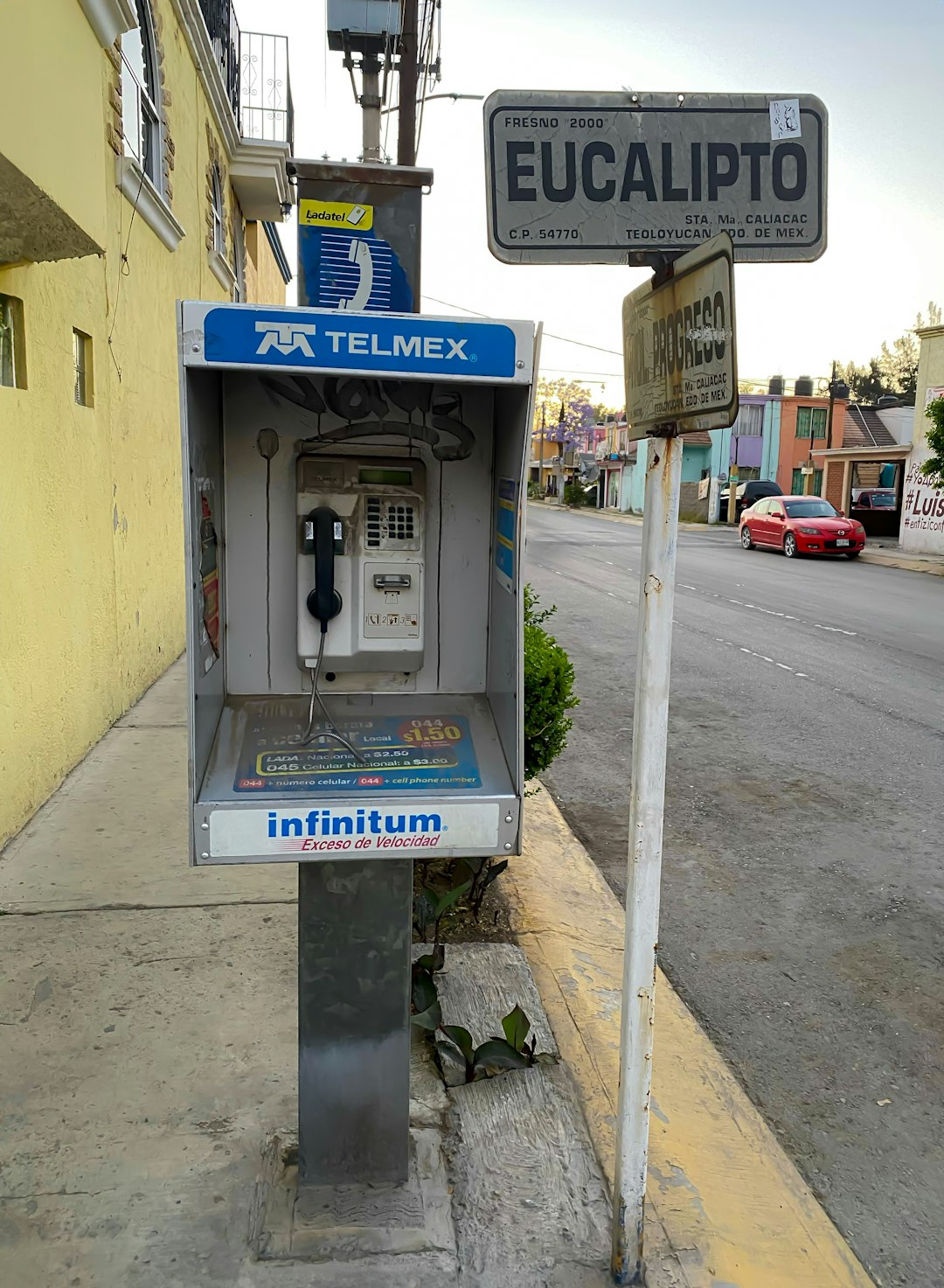
In the face of persistent robocalls, Texas residents now have a powerful ally in their battle against unwanted phone spam. Advanced app solutions designed to combat these irritant calls offer more than just convenience; they provide a robust defense mechanism that leverages cutting-edge technology and legal protections. One notable example is an app that employs sophisticated algorithms to identify and block robocalls, giving users peace of mind. This tool utilizes machine learning to adapt and improve its accuracy over time, ensuring that it stays ahead of evolving spamming tactics.
The effectiveness of these apps lies in their ability to analyze call patterns, sound signatures, and other unique identifiers associated with automated calls. By continuously updating its database with new robocall characteristics, the app can swiftly detect and block malicious attempts, even as spammers adapt their methods to circumvent traditional filters. For instance, a recent study by the Federal Trade Commission (FTC) revealed that spam call volumes have been steadily increasing, emphasizing the need for robust protection. With such apps, users can also report suspicious calls directly from the app interface, providing valuable data to enhance collective defense mechanisms and supporting efforts by law enforcement agencies like Spam Call law firm San Antonio to combat these illegal activities.
Moreover, these applications offer personalized call filtering based on user preferences and location-specific regulations. In Texas, where privacy laws are stringent, such apps can be tailored to comply with local regulations, ensuring that residents enjoy comprehensive protection without sacrificing legitimate business calls. By combining advanced technology with legal acumen, these apps not only mitigate robocalls but also empower users with the knowledge that they have a reliable tool to safeguard their personal time and privacy.
Community Resources and Continuous Defense

The Texas region faces a persistent challenge from unwanted robocalls, prompting communities to unite and fortify defenses against this modern nuisance. A robust network of community resources has emerged, empowering residents with tools and knowledge to combat these intrusions. The collective effort involves public awareness campaigns, educational initiatives, and the collaboration of local law enforcement agencies, telecommunications providers, and consumer protection organizations.
Spam Call law firm San Antonio, a key player in this defense, offers expert guidance and legal support. They provide resources tailored to Texas residents, educating them on their rights under the state’s Spam Call laws. Through workshops, webinars, and easily accessible online guides, these efforts ensure that citizens are equipped to identify and report suspicious calls. By fostering a culture of digital literacy, communities can proactively filter out malicious calls before they even reach their phones.
Continuous defense is paramount. Automated systems that detect and block common robocall patterns are implemented across the region. These technologies evolve alongside the tactics of scammers, ensuring that defenses remain effective. Regular updates on known call patterns and scams enable residents to adapt and stay ahead of potential threats. The collective resilience of these community resources underscores a determined approach to safeguard Texas households from unwanted intrusions, promoting peace of mind in an increasingly digital age.