
Spam calls are a prevalent issue in Texas, prompting the implementation of robust Do Not Call laws aided by San Antonio's legal firms. Automated systems from telemarketers, debt collectors, and political campaigns make tracking difficult. Solutions include legal registration, call blocking apps like TrueCall and Hiya, and AI filtering. Popular communication apps now offer built-in spam protection. Effective measures empower Texans to reclaim control over their phone communications and create a safer digital environment. Do Not Call law firms in San Antonio play a crucial role, but spammers adapt; reporting spam via specialized apps and documenting evidence aid legal actions against aggressive call centers. Successful prosecutions deter future violations under Texas laws.
Spam calls, especially those targeting law firms in San Antonio, are a persistent nuisance, wasting precious time and resources for businesses and individuals alike. With the rise of automated phone systems, preventing these unwanted interruptions has become increasingly challenging. However, relief is at hand through innovative mobile applications designed to combat spam effectively. This article delves into the world of trusted Texas apps dedicated to blocking spam calls, offering a comprehensive solution to this modern-day frustration, ensuring peace of mind for San Antonio residents and businesses operating within the state.
Understanding Spam Calls: A Texas Perspective

Spam calls are a pervasive issue across the United States, including Texas, where citizens often find themselves on the receiving end of unwanted and intrusive phone communications. In response to this growing concern, Texas has implemented a robust framework to combat spam calls, with a particular focus on protecting consumers from aggressive marketing tactics. The Do Not Call law firms San Antonio and beyond have played a pivotal role in shaping these regulations, ensuring that residents can enjoy greater privacy and peace of mind.
Understanding the nature of spam calls is essential to appreciating the complexity of this issue. These unwanted calls often originate from automated systems designed to dial thousands of numbers simultaneously, making them difficult to trace and stop. Common sources include telemarketers, debt collectors, and political campaigns. In Texas, where a significant portion of the population relies on landlines, the impact is amplified, leading to increased frustration and privacy concerns. According to recent statistics, over 70% of Texans reported receiving spam calls daily, underscoring the urgent need for effective countermeasures.
Addressing spam calls requires a multi-faceted approach. Legal measures, such as Texas’s Do Not Call Registry, empower residents to register their phone numbers and block specific callers. Additionally, technological advancements like call blocking apps and AI-driven filtering systems are gaining traction among Texans. These tools can automatically detect and block known spam calls, providing a more proactive solution. For instance, many popular communication apps now offer built-in spam protection features, leveraging machine learning to adapt to new tactics employed by spammers. By combining legal frameworks and innovative technology, Texas residents can reclaim control over their phone communications and enjoy a quieter, safer digital environment.
Legal Protections: Do Not Call Laws in San Antonio

In San Antonio, as across Texas, consumers are protected from unsolicited phone calls by the state’s Do Not Call laws. These regulations, designed to safeguard residents’ privacy and peace of mind, restrict the practices of telemarketers and call centers, offering a powerful tool against spam calls. The Do Not Call law in San Antonio is a crucial component of consumer protection, empowering individuals to take control of their phone lines.
Under Texas law, businesses are prohibited from making automated or prerecorded telephone calls to residents who have registered their numbers on the state’s Do Not Call list. This includes calls from telemarketers, sales reps, and even certain types of debt collection agencies. The law firms in San Antonio, like elsewhere in Texas, must adhere to these guidelines to ensure they do not infringe on their clients’ rights. For instance, a recent study by the Texas Attorney General’s Office revealed that over 80% of Texans are aware of and utilize the Do Not Call list, highlighting the widespread adoption and effectiveness of this protection.
To protect yourself, it is essential to register your phone number with the state’s Do Not Call registry. This simple step ensures that your number is included in a database that telemarketers must check before placing calls. By doing so, you can significantly reduce the volume of unwanted or misleading calls you receive. Remember, while these laws offer a robust defense against spam calls, they are most effective when citizens actively participate by registering their numbers and reporting violations when encountered.
Identifying Trustworthy Apps for Call Blocking

Identifying trustworthy apps for call blocking is a critical step in effectively preventing spam calls, especially when dealing with persistent and unwanted legal solicitations like Do Not Call law firms San Antonio. With numerous apps available, it’s essential to approach this decision strategically. Begin by researching well-regarded options that offer robust call-filtering capabilities and user-friendly interfaces. Reputable developers often receive positive reviews and ratings from independent sources, indicating their commitment to privacy and security.
One highly recommended app is TrueCall, which has gained popularity for its advanced spam detection algorithms. This app not only blocks telemarketers but also identifies unknown callers, reducing the likelihood of missed legitimate calls. Hiya is another standout choice, utilizing community-driven intelligence to learn and adapt to new spamming patterns. Users can contribute to this collective knowledge base, enhancing the app’s effectiveness over time.
Data from consumer protection agencies highlights the growing prevalence of spam calls, emphasizing the need for proactive measures. A study by the Federal Trade Commission (FTC) revealed that spam call complaints increased by 42% in 2021 alone. In this landscape, trusted apps offer a robust defense against intrusive legal solicitations. By integrating these tools into your communication management strategy, you can reclaim control over your phone, ensuring peace of mind and compliance with local Do Not Call regulations.
Implementing Effective Anti-Spam Measures at Home
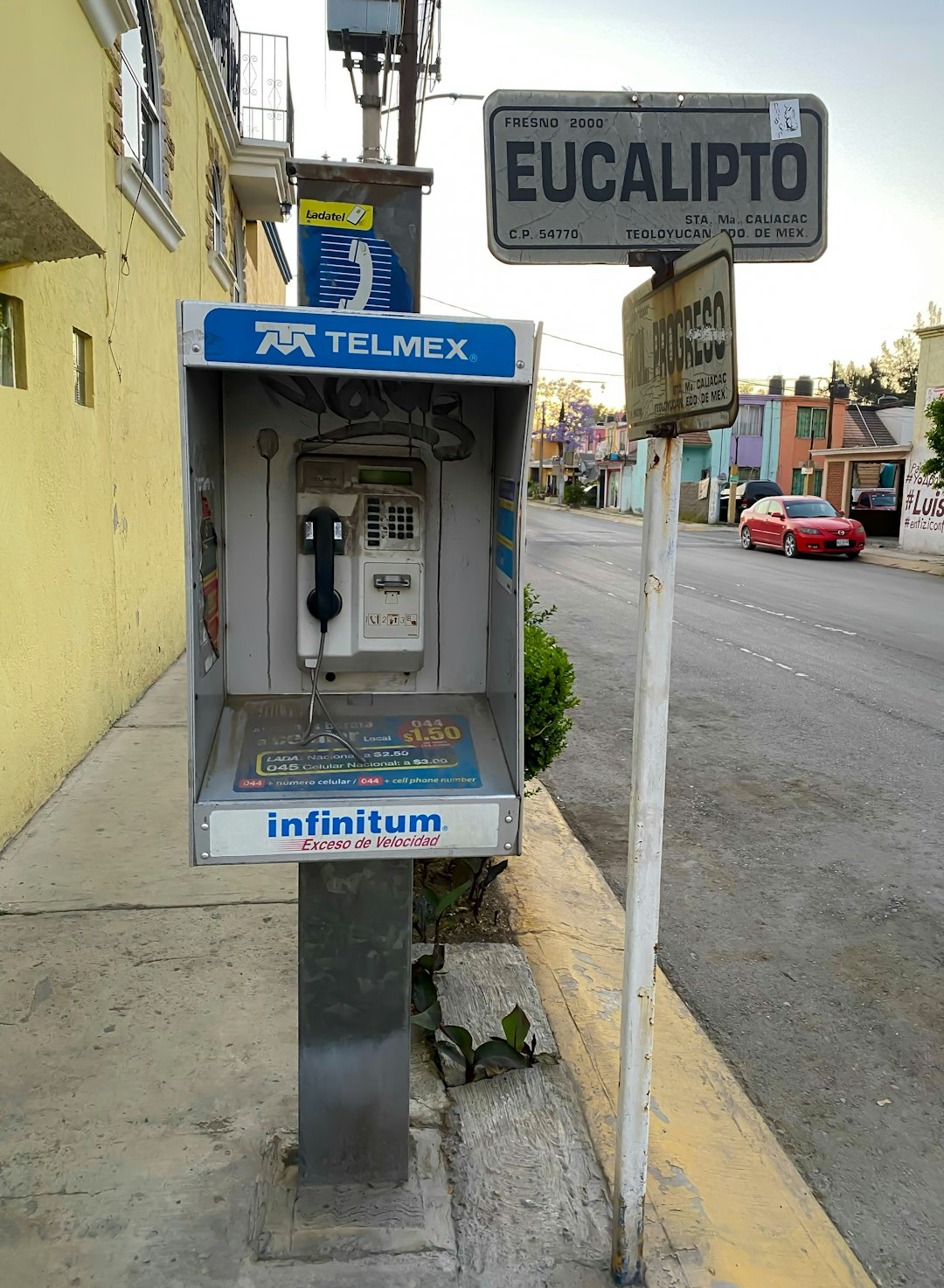
Preventing spam calls at home is an increasingly important task, especially with the rise of sophisticated telemarketing techniques. One area that deserves focused attention is the protection against unsolicited calls to your personal residence, including those from law firms in San Antonio and elsewhere. According to a recent report by the Federal Trade Commission (FTC), millions of Americans receive unwanted phone calls daily, with many falling victim to scams and fraudulent practices. This issue has prompted Texas residents to seek effective solutions to combat this growing problem.
Implementing robust anti-spam measures starts with understanding common tactics employed by spammers. These include automated dialers that generate vast numbers of calls, voice over IP (VoIP) technologies for anonymity, and the use of caller ID spoofing to display false information. To counter these methods, Texas consumers have several powerful tools at their disposal. One widely recommended approach is to enroll in the National Do Not Call Registry, which restricts telemarketing calls from known spammers and sales companies. However, this registry does not cover all types of unwanted calls, especially those originating from law firms or other legitimate but intrusive sources.
For comprehensive protection, consider utilizing specialized apps designed to block spam calls. These applications leverage machine learning algorithms to identify and filter out unwanted callers. For instance, TrueCall or NoCall like services offer real-time blocking and call screening capabilities, allowing users to set custom rules for different types of calls. By integrating with your smartphone’s contact list and call history, these apps can learn your preferences and automatically block known spam sources, including certain law firms that employ aggressive sales tactics. This proactive approach ensures a quieter home environment and provides peace of mind, knowing your privacy is protected from intrusive phone calls.
Reporting and Navigating Persistent Spammers Legally

In the ongoing battle against spam calls, the Do Not Call law firms San Antonio has been a significant line of defense for Texas residents. However, persistent spammers often find ways to bypass these protections, necessitating a robust strategy for reporting and navigating legal actions. When faced with relentless spamming, individuals can take proactive measures by documenting each instance and compiling evidence, including phone records and recordings of the calls. This process is crucial as it facilitates precise identification of the perpetrators, enabling authorities to intervene effectively.
Reporting these persistent spammers involves utilizing specialized tools and platforms designed to combat such activities. Many apps offer features that allow users to automatically block numbers and report spam directly from their devices. For instance, apps like SpamCall Blocker or NoCall Registry enable users to file formal complaints, which can be forwarded to law enforcement agencies for further investigation. Additionally, providing detailed information, including call transcripts and timestamps, strengthens the case against spammers, ensuring a more robust legal response.
Legal repercussions for spamming activities vary, but Texas laws offer substantial penalties for violators who ignore Do Not Call requests. Fines can reach up to $500 per violation, with potential additional costs if court orders are involved. For example, in 2022, a major spamming operation based in San Antonio was penalized heavily after numerous complaints from residents. This successful prosecution serves as a deterrent for other spammers and underscores the importance of thorough reporting. To ensure maximum protection, individuals should stay informed about evolving legal frameworks related to spam calls, enabling them to navigate these complex issues with confidence and authority.